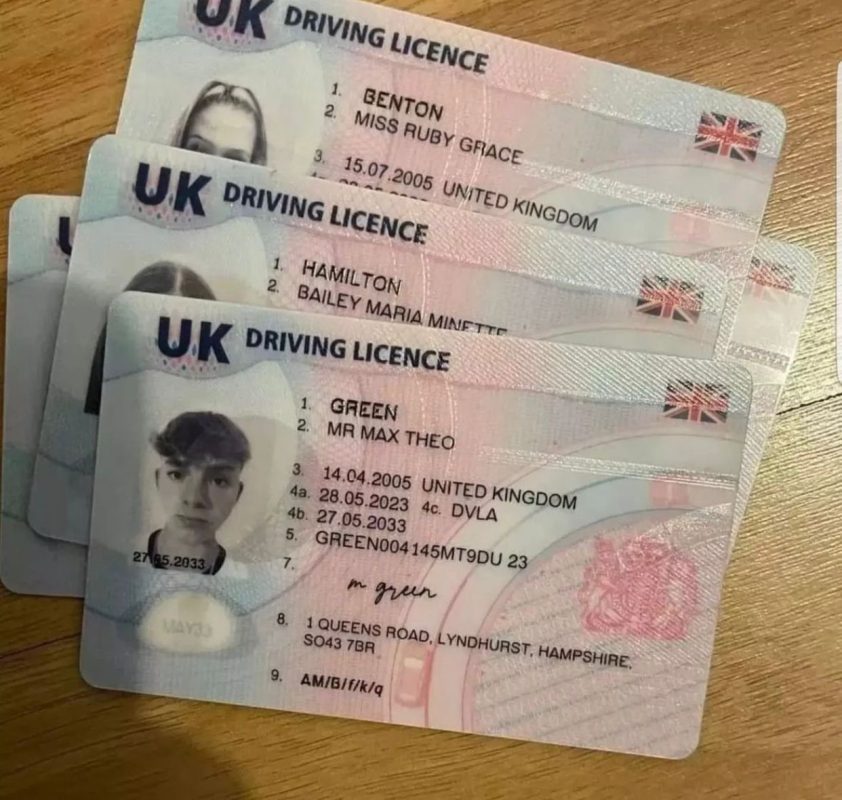
Understanding the UK Driver License: A Comprehensive Guide
In the United Kingdom, holding a driver's license is an essential aspect of movement and self-reliance. Allowing individuals to run automobile lawfully, the driver license system is governed by a set of guidelines that guarantee both security and proficiency on the roads. This short article looks into the complexities of getting a UK driver license, the different types available, the application procedure, renewal requirements, and often asked concerns relating to the licensing system.
Kinds Of Driver Licenses in the UK
In the UK, driver licenses are classified based upon the kind of vehicle being run. The following are the main categories:
- Category B: This is the most common type for automobiles. It permits the holder to drive cars with a maximum weight of 3.5 tonnes and bring as much as eight guests.
Category A: Pertaining to bikes, this category is divided into three subcategories:
- A1: Light motorbikes (up to 125cc)
- A2: Medium motorcycles (approximately 400cc)
- A: Any motorbike
- Classification C: For bigger cars such as trucks, this classification permits the holder to drive automobiles over 3.5 tonnes.
- Category D: This is designated for driving buses and coaches, which can carry more than eight travelers.
- Category BE, CE, and DE: These enable the driving of bigger cars with trailers.
Getting the proper license is vital, not only for legal compliance but also for guaranteeing the safety of the driver, passengers, and other road users.
Actions to Obtain a UK Driver License
Getting a driver license in the UK includes several actions, that include:
Step 1: Apply for a Provisional License
Before discovering to drive, people should obtain a provisionary license. The requirements consist of:
- Being at least 17 years of ages (or 16 if looking for a motorcycle or moped license).
- Offering recognition, such as a passport or biometric home authorization.
- Paying the pertinent fee.
Step 2: Prepare for the Theory Test
When in possession of a provisional license, candidates should prepare for the theory test, which is divided into 2 parts:
- Multiple-choice concerns: Testing understanding of roadway guidelines and policies.
- Risk perception test: Evaluating the capability to identify prospective threats on the roadway.
Action 3: Pass the Driving Test
After passing the theory test, people can reserve a practical driving test. This includes:
- Taking lessons with a certified trainer to get driving abilities.
- Going through a dry run that assesses driving capability, decision-making, and road safety awareness.
Step 4: Acquire a Full License
Upon passing the driving test, the person can apply for a complete driving license. The actions include:
- Completing the application offered by the Driver and Vehicle Licensing Agency (DVLA).
- Submitting the required files consisting of the pass certificate from the driving test.
- Paying the charge for the full license.
Step 5: Understanding the Probationary Period
New drivers in the UK undergo a probationary duration of 2 years after passing the driving test. During this time, collecting 6 or more penalty points can result in the license being withdrawed.
Renewing Your Driver License
Driver licenses in the UK do not end indefinitely; they require renewal. It is advised to restore your license every ten years. Here are the actions for renewal:
- Check your eligibility: Valid driving licenses need to be renewed before they expire or if there are modifications to personal circumstances (such as health status).
- Submit the renewal application: This can be done online or through post. The renewal application needs similar documentation as the preliminary application, consisting of recognition and any applicable costs.
- Wait for processing: Once the application has been submitted, it normally takes up to three weeks to receive the renewed license.
Often Asked Questions (FAQs)
Q1: Can I drive with an abroad license in the UK?
Yes, visitors to the UK can drive utilizing a valid overseas driver license for up to 12 months. However, after this duration, they should get a UK license if they want to continue driving.
Q2: What files do I need to make an application for a provisional license?
You will need proof of identity, a passport-sized photo, and payment for the application cost. Furthermore, if you have actually altered your name, you'll need to provide supporting files such as a marriage certificate or deed survey.
Q3: What takes place if I lose my driver license?
If you lose your driver license, you must report the loss to the DVLA and get a replacement. This can be done online or by means of a paper application.
Q4: Are there any special considerations for acquiring a license for people with disabilities?
Yes, the UK has arrangements and assistance offered for people with disabilities. license online is evaluated on a private basis, and adjustments in automobiles may be necessary. The DVLA provides additional assistance for this process.
Q5: How long does it take to get a full driving license after passing the test?
Typically, as soon as you pass the useful driving test, you can expect to receive your complete license within three weeks. Nevertheless, this can vary based on the volume of applications the DVLA is processing.
Obtaining a UK driver license is a complex process that requires commitment and understanding of road safety. From the initial application for a provisionary license through to the final acquisition of a full driving license, each step contributes considerably to guaranteeing that the roads remain safe for all users. By understanding the different requirements and keeping abreast of modifications in legislation, aiming drivers can navigate the complexities of the UK licensing system with self-confidence.